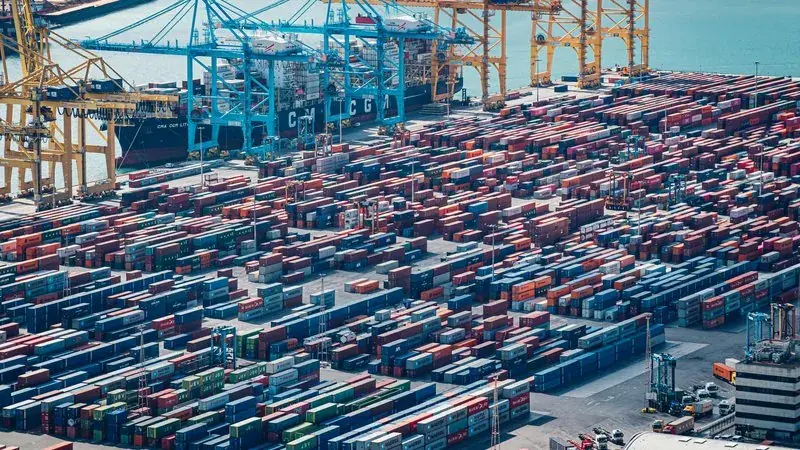
Port selection is one of the most overlooked variables in landed cost. For Southeast US buyers, the default assumption is Los Angeles or Long Beach because they are the largest US ports. But transit time, drayage, congestion, and port fees often make Savannah or Charleston the better total-cost option.
The port you choose does not just affect freight cost. It affects inventory velocity, emergency freight rates when you are short, and the operational complexity of customs clearance. Get this decision wrong, and you can blow 3 to 5 percent of margin without realizing why.
This guide compares the three most viable ports for food service imports and gives you a decision framework based on your destination, timeline, and cost sensitivity.
Savannah: The Southeast Powerhouse
Overview. Port of Savannah is the third busiest container port in the United States. The Georgia Ports Authority has invested heavily in infrastructure expansion. The port handles some of the largest vessel classes and has capacity built for growth.
Strengths
- Geography for Atlanta. Direct rail and highway access to Atlanta. Only 4 hours by truck. If your final destination is anywhere in the Southeast, Savannah offers the shortest drayage.
- Lower drayage cost. Regional drayage from Savannah to Atlanta runs 300 to 400 dollars per container. Transcontinental drayage from LA to Atlanta runs 2,500 to 3,500 dollars. The difference on 12 containers per year is 26,000 to 37,200 dollars.
- Congestion profile. Historically lower congestion than LA or Long Beach. Peak season congestion exists but is manageable. Less of a surprise factor.
- Deepwater capability. The Savannah harbor deepening project is complete. Savannah now accommodates the latest generation of mega-ships.
- Carrier competition. Multiple carriers call Savannah. Decent schedule frequency to and from Asia.
Tradeoffs
- Transit time. Savannah receives shipments from Asia via Suez or Panama. Transit is typically 25 to 30 days from Southeast Asia (Thailand, Malaysia, Vietnam). LA direct is 12 to 16 days. That is a 2 to 3-week inventory gap.
- Service frequency. Not every carrier offers Savannah service on every Asia route. You may have fewer carrier options or longer port wait times.
- Volume perception. Some suppliers are less familiar with Savannah. You may need to educate them on the port and ensure they have booking relationships there.
Los Angeles and Long Beach: Volume and Connectivity
Overview. The LA/Long Beach port complex is the largest container port in North America. Nearly every carrier with Asia service calls LA. Vessel frequency is exceptional, and service is reliable for major routes.
Strengths
- Transit speed. Direct service from China, Southeast Asia, and most origin points. Transit is typically 12 to 16 days from major Southeast Asia factories. This matters if you are managing inventory tightly or serving urgent orders.
- Carrier choice. Every major carrier has LA service. Multiple ships per week to Asia. If a carrier has a gap in schedule, alternatives exist.
- Cargo consolidation. LA is a consolidation hub. If you are importing LCL (less than container load) freight, LA has more options.
Tradeoffs
- Chronic congestion. LA/Long Beach is perpetually congested. Wait times at port discharge run 5 to 10 days. During peak season (September to December), congestion can stretch to 15 to 20 days. This is cost and schedule risk.
- Drayage cost. Drayage from LA to Atlanta is 2,500 to 3,500 dollars per container, one-way. For a Southeast destination, this negates the transit time advantage.
- Port fees trending up. Congestion fees, equipment surcharges, and terminal charges at LA have increased 15 to 25 percent over the past 18 months. These get passed to importers.
- Chassis shortage. During peak season, chassis (container dollies) become scarce at LA. This delays drayage even when port discharge is quick. Not a problem for Savannah or Charleston.
- Inland complexity. If your destination is Atlanta, Southeast, or Midwest, transcontinental drayage is complex. You may need double-handling if the carrier does not have local equipment positioning.
Charleston: The Alternative Southeast Option
Overview. Port of Charleston is smaller than Savannah but growing rapidly. The harbor is being deepened to 52 feet, opening capacity for mega-ships. Charleston sits 130 miles south of Savannah, serving South Carolina, North Carolina, and parts of Virginia directly.
Strengths
- Growing capacity. Harbor deepening has significantly expanded container capacity. New terminals are operational. Charleston is positioned as a major Southeast hub alternative.
- Lower peak-season congestion. Charleston rarely experiences the congestion of Savannah during peak season. Dwell times are predictable.
- Fair drayage pricing. Drayage from Charleston to Atlanta is similar to Savannah (350 to 450 dollars per container).
Tradeoffs
- Service frequency lower than Savannah. Not all Asia carriers call Charleston. Fewer ship rotations.
- Scale advantages not yet realized. Charleston is still building carrier relationships and terminal efficiency. You may face unexpected delays as the port scales.
- Less familiar to suppliers. Overseas suppliers are less accustomed to Charleston. Booking and documentation can be slower.
How to Choose: A Decision Framework
1. Final Destination
Southeast (Georgia, Carolinas, Florida, Tennessee): Savannah or Charleston. Drayage cost and speed favor East Coast ports by 2,000 to 3,000 dollars per container. West Coast or Midwest: LA makes more sense despite drayage cost because transcontinental service is established and direct.
2. Inventory Carrying Cost vs Transit Time
If inventory holding cost is high or demand is unpredictable, LA transit speed matters. The 2 to 3-week difference gives you faster turns and lower carrying cost. If you plan 8 to 12 weeks ahead and have warehouse capacity, Savannah wins on total landed cost.
3. Congestion Season and Emergency Freight
During September to December, avoid LA if possible. Peak congestion pushes emergency freight premiums to extreme levels. Savannah and Charleston are more predictable. If you might need emergency freight during peak, Savannah is safer.
4. Carrier Service Availability
Check your supplier. Ask which ports they call with their freight forwarder. If they service Savannah, the port decision is made. If they only service LA, you either accept LA drayage cost or ask them to arrange a transload in LA.
5. Total Cost Calculation
For a Southeast destination, do this math:
- Ocean freight (LA vs Savannah): usually similar or LA slightly cheaper.
- Port fees: LA higher by 100 to 300 dollars per container.
- Drayage: Savannah wins by 2,000 to 3,000 dollars per container vs LA.
- Inventory carrying cost: LA wins by 1 to 2 weeks of inventory turns.
For 12 containers per year to Atlanta, Savannah saves 24,000 to 36,000 dollars in drayage alone. That justifies the slower transit unless inventory cost is severe.
Optimize Your Port Strategy
Northgate handles shipments through Savannah, Charleston, and LA depending on the partner's needs. Our customs broker network and drayage relationships at each port give us cost visibility and flexibility. If you want to compare total landed costs across port options or need help negotiating drayage rates, we can provide quotes and logistics recommendations.
Discuss Your Port Options